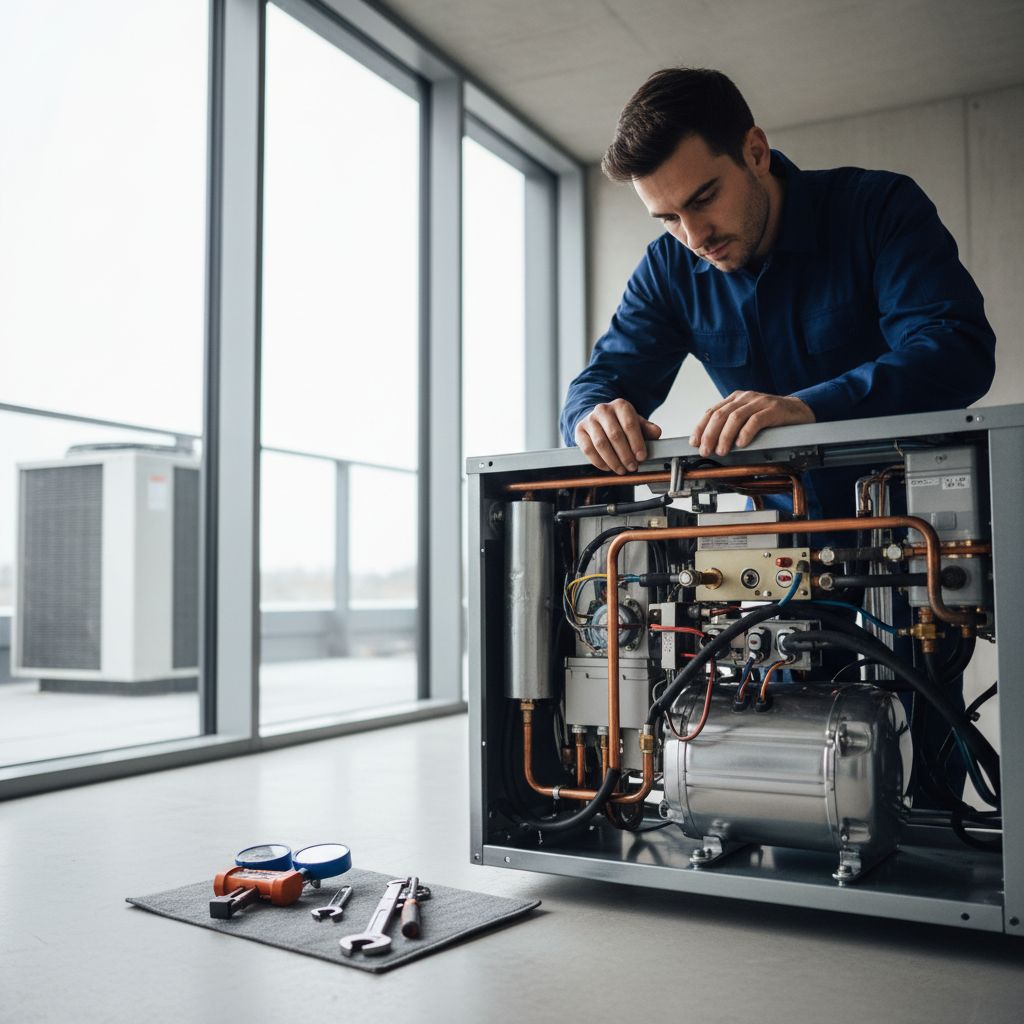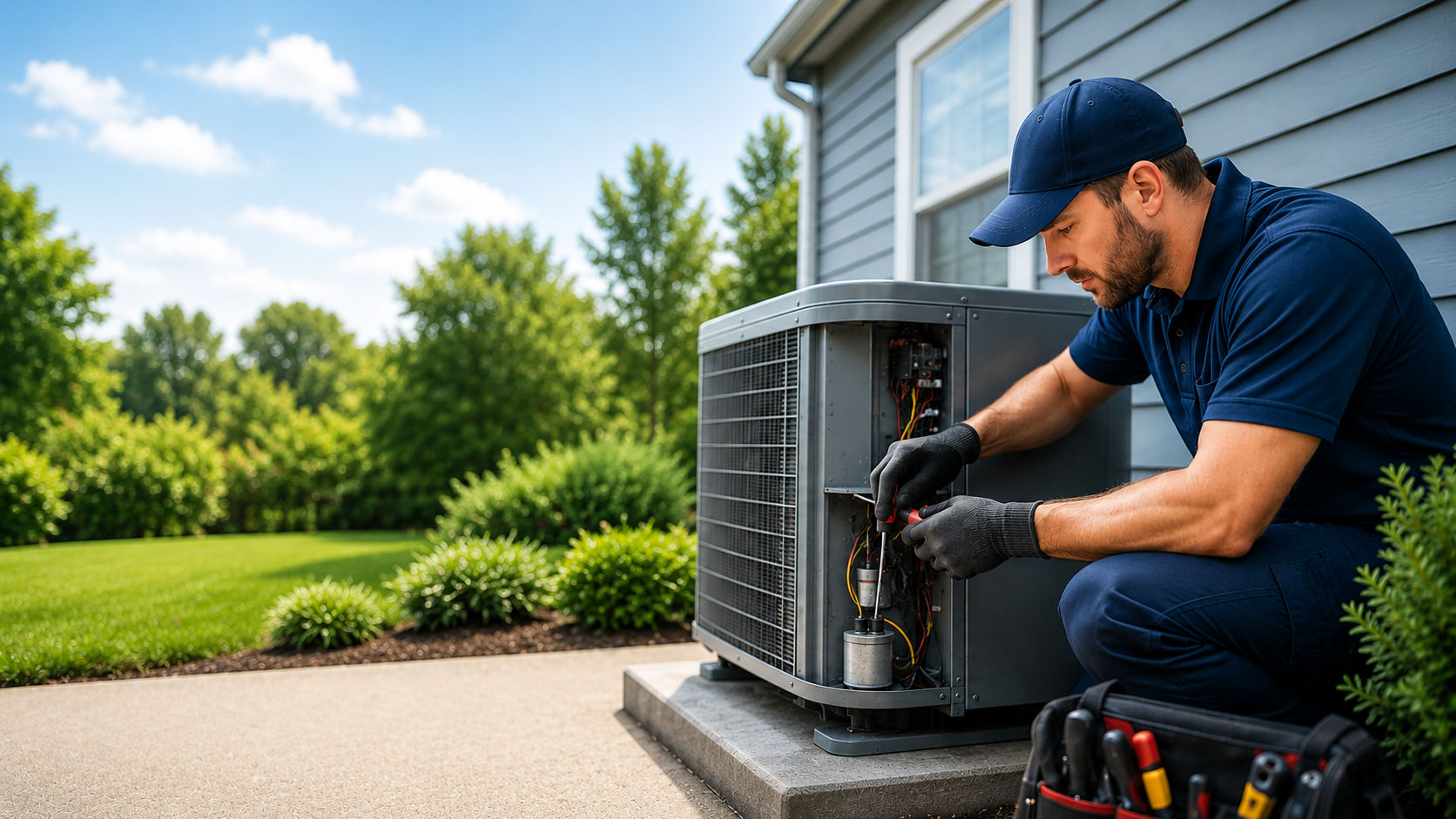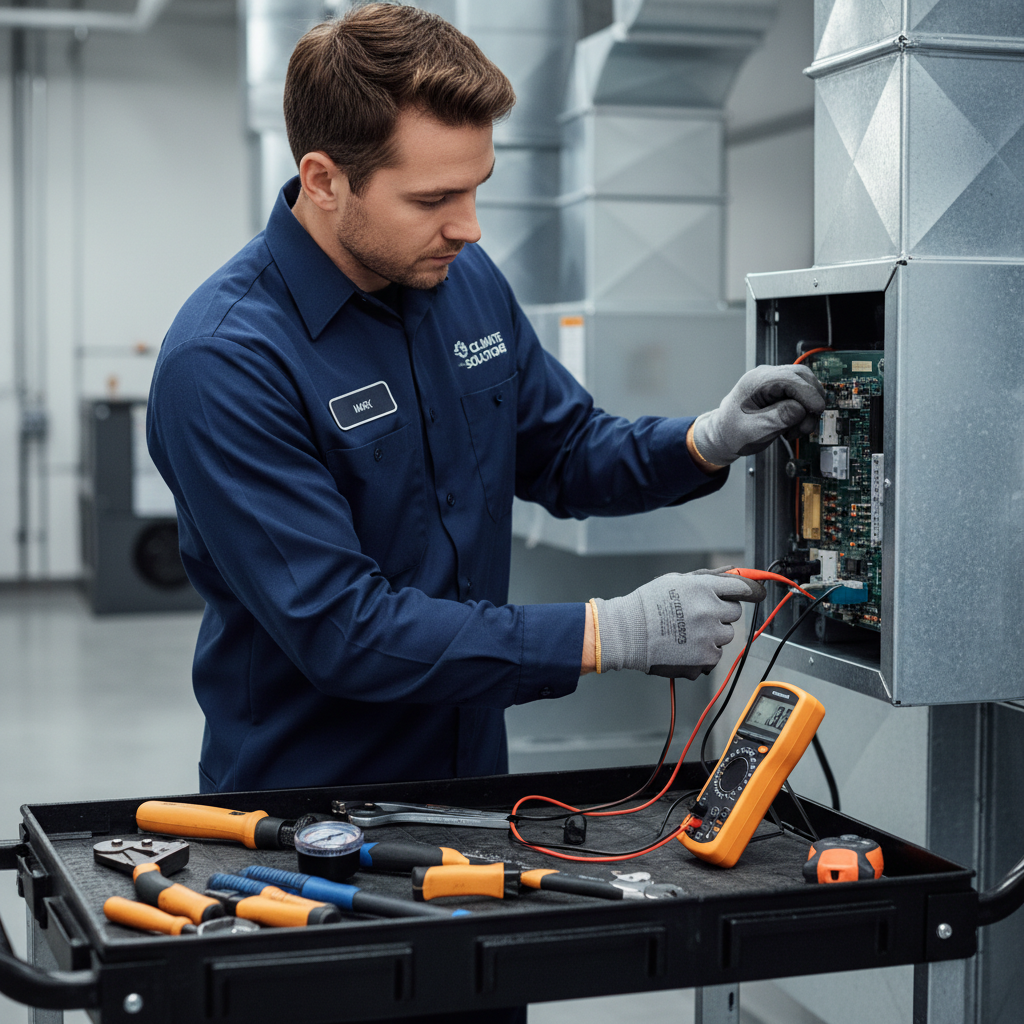
Maintenance here is not the same job it is in a dry climate. Roughly four out of five of the emergency calls we take in a Jacksonville summer trace back to something a maintenance visit would have caught: a condensate drain filling with biological growth, a dirty coil, a weak capacitor or a corroded contactor.
What a Jacksonville Maintenance Visit Should Actually Cover
Compare this against any maintenance agreement you are offered. If the condensate and coil work is missing, the plan is not built for this climate.
Condensate drain flush and treatment
The single highest-value item on the list in this climate. A coil here pulls gallons of water a day out of the air, and biological growth in the drain line is our most common summer emergency call.
Evaporator coil inspection and cleaning
A coil that runs wet for eight months develops film. Film restricts airflow, and ENERGY STAR notes that airflow problems can reduce system efficiency by up to 15 percent.
Capacitor measurement against nameplate
Capacitors degrade gradually. Measuring microfarads catches a weak one in April rather than meeting it as a no-cooling call in July.
Condenser coil rinse
Essential within a few miles of the ocean. Salt pits aluminium fin stock, heat transfer falls, head pressure rises and the compressor works harder for the rest of its life.
Static pressure and temperature split readings
Numbers, recorded each visit. A trend across visits shows a developing problem long before a symptom does.
Float switch test
The device that stops a blocked drain becoming a ceiling repair. It should be tested, not assumed.
What Does HVAC Maintenance Cost in Jacksonville?
Published market ranges for residential maintenance. The value case rests on avoided emergency calls and retained efficiency rather than on the visit itself.
| Option | Typical market range | Visits per year | Suits |
|---|---|---|---|
| Single tune-up, one system | $90 - $200 | 1 | Trying a contractor before committing |
| Annual plan, one system | $150 - $350 | 2 | Most Jacksonville homes |
| Annual plan, two systems | $280 - $550 | 2 each | Two-zone or two-storey homes |
| Coastal plan with extra coil rinse | $220 - $450 | 2 plus rinse | Beaches, Neptune Beach, Ponte Vedra |
| Light commercial | $400 - $1,200 | 2 - 4 | Offices, retail, small restaurants |
Compare the annual plan cost against a single after-hours emergency call plus a condensate related ceiling repair. That comparison, not the tune-up itself, is the actual value argument.
What Is Included in Every HVAC Maintenance Visit
- Condensate drain flush and treatment at every visit
- Evaporator and condenser coil inspection, cleaned as required
- Capacitor microfarad reading recorded against nameplate
- Contactor inspected for pitting and arcing
- Refrigerant pressures and superheat or subcooling verified
- Static pressure and temperature split recorded and trended visit to visit
- Float switch tested
- Filter changed or specified
How a Maintenance Visit Works
- Baseline readings. Static pressure, temperature split and refrigerant pressures recorded before anything is touched.
- Electrical inspection. Capacitor microfarads measured, contactor checked, connections torqued.
- Condensate service. Drain flushed, pan cleaned, treatment added, float switch tested.
- Coil service. Evaporator inspected, condenser rinsed, both cleaned as required.
- Airflow. Filter changed and return sizing sanity-checked.
- Report. Readings written up and compared against the previous visit so trends are visible.
The 15 Percent Airflow Penalty, and Why It Compounds Here
ENERGY STAR notes that airflow problems can cut system efficiency by up to 15 percent. In most climates that is an annoyance. In Jacksonville it compounds, for a reason worth understanding.
Restricted airflow lowers the coil temperature. A colder coil in humid air condenses more water, which increases the biological load in the drain pan, which accelerates the drain blockage. A blocked drain trips the float switch, and the system shuts down entirely. So a dirty filter in a dry climate produces a higher bill, while the same dirty filter here produces a higher bill and then a no-cooling call and possibly a ceiling stain.
That chain is the argument for maintenance in this specific climate. It is not about the tune-up producing a measurable efficiency gain on the day. It is about interrupting a failure sequence that is genuinely predictable, at the two points in the year where interrupting it is cheap.
What the data actually shows for Jacksonville
Method: cross-reference of published NOAA, EPA, DOE and ENERGY STAR figures against local operating conditions. Sources are listed at the foot of this page. Verified August 2026.
The usual maintenance argument cites an efficiency percentage and stops there. The more interesting finding is that in this climate the efficiency loss triggers a second, larger failure, and the two compound.
ENERGY STAR notes airflow problems can cut system efficiency by up to 15 percent. Follow the physics one step further in a humid climate. Restricted airflow lowers coil temperature. A colder coil in humid air condenses more water. More water raises the biological load in the drain pan. A loaded pan blocks the drain, the float switch trips, and the system shuts down entirely.
So the same dirty filter produces a higher bill in Phoenix and produces a higher bill plus a no-cooling call plus a possible ceiling repair in Jacksonville. That chain is the actual maintenance argument here, and it is a structural argument rather than a percentage. The two points in the year where the chain is cheapest to interrupt are spring, before humidity loads the coil, and autumn, before the heating season.
HVAC Maintenance in Jacksonville: frequently asked questions
How often should HVAC systems be serviced in Florida?
Twice a year. Spring before the cooling season, autumn before the short heating season. The spring visit matters most here because it addresses the condensate drain and coil before the humid months load them up.
How much does an HVAC maintenance plan cost in Jacksonville?
Published market ranges put a single tune-up at $90 to $200 and a two-visit annual plan at $150 to $350 for one system. Coastal properties needing an extra condenser rinse sit slightly higher.
How often should I change my air filter?
ENERGY STAR advises checking the filter monthly during heavy-use months and changing it at least every three months. In a Jacksonville summer, monthly is the realistic interval for a standard one-inch filter.
Does maintenance actually save money?
The saving comes from two places. Retained efficiency, since airflow problems alone can cost up to 15 percent, and avoided emergency calls. In this climate the second is the larger number, because the failure most maintenance prevents is a blocked condensate drain that can also damage a ceiling.
What is the condensate drain and why does it matter so much here?
It carries away the water your coil pulls out of the air. In Florida humidity that is gallons a day. Biological growth in that line is the most common summer failure we see, and it is almost entirely preventable with a flush and treatment twice a year.
Do I need extra maintenance if I live near the beach?
Yes. Salt corrodes the aluminium fin stock on the outdoor coil, which reduces heat transfer and raises head pressure. Properties in Jacksonville Beach, Neptune Beach and Ponte Vedra benefit from an additional coil rinse beyond the standard two visits.
Will maintenance void or protect my manufacturer warranty?
Most manufacturer warranties require documented annual maintenance. We supply a written report with readings on every visit specifically so you have the evidence if you ever need to make a claim.
Is a maintenance plan worth it on an old system?
If the equipment is near the end of its life and already showing capacity loss, a plan defers a replacement decision rather than changing the outcome. We will say so rather than sell you multi-year visits on equipment that will not last the term.